Saturday, January 21, 2012

Lasagne al forno

A classic of the Italian cucina.  This style of lasagne is a bit different than what most might know -- there's no ricotta, no mozzarella, no basil -- a style reminiscent of the lasagne I enjoyed when traveling in Toscana many years ago. 

It's a bit of work, no question, and requires creating both a pot of meat sauce, and the besciamella, then assembling all the components.  It's well worth making a couple pans of it at once, and freezing what isn't used immediately for another occasion. 

The meat sauce -- ragù alla bolognese
3 lb ground beef (or a mixture of beef-pork-veal, as you desire)
2 carrots
2 celery stalks
6 cloves garlic
1 onion
1/2 red bell pepper
1/2 lb button or crimini mushrooms
28-oz can crushed tomatoes
1/2 can tomato paste
10.5-oz can condensed beef consommé
1 c red wine   
Salt and pepper

Create a pestata (a well-chopped mixture) of the carrot, onion, garlic, and celery in a food processor.  In a 5-qt enameled Dutch oven, sauté the pestata in a few Tbp olive oil until softened and slightly colored.   Salt and pepper to taste.  Remove and set aside.

Film the Dutch oven with a bit more oil, and brown the beef (or meat mixture).  Salt and pepper to taste.  Remove and set aside. 

Process the mushrooms in the food processor to a fine mince.  Add to the Dutch oven, and sauté a few minutes until the moisture has evaporated.  Salt and pepper to taste.  Add the tomato paste and cook for a few minutes.

Add back the meat and pestata.  Add the tomatoes, wine, and beef consommé.  Bring to a simmer, then cook over very low heat about 2 hours, until the flavors have mellowed.  If the sauce seems dry, add some boiling water.  Taste carefully for salt and pepper. 


The white sauce -- besciamella
8 Tbp butter
8 Tbp flour
1 qt whole milk
1 Tbp Worcestershire sauce
1/4 tsp ground nutmeg

Melt the butter in a saucepan.  Add flour and cook for a minute or two to make a roux.  Warm the milk (either in a saucepan on the stovetop, or easier, in the microwave), and add to the roux.   Mix well with a whisk to eliminate any lumps.  Cook over moderate heat about 5 minutes until thickened.  Add the Worcestershire sauce, and a few scratches of nutmeg.  Taste carefully for salt – this is very bland, and it will need a fair amount.  Remove from the heat, and set aside. 


Assembling the lasagne
12 oz young provolone cheese, shredded
8 oz pecorino romano cheese
Ragù alla bolognese
Besciamella
2 lb no-boil lasagne sheets

In a roomy oblong casserole, spread about 1 cup of the bolognese sauce on the bottom.  Cover with lasagne sheets.  Cover with more sauce, besciamella, and cheese.  Repeat for several layers, finishing with the besciamella and cheese on top.

Cover the bottom of the casserole with sauce.

Lasagne sheets on top.

More sauce, then besciamella.

Cover with a mixture of provolone and pecorino cheeses.


Repeat, and finish with the cheese mixture.

Cover closely with non-stick aluminum foil.  Place on a baking sheet, and into a 350°F oven for about 1 hour, or until hot and bubbly around the edges.  Check the internal temperature with an instant-read thermometer – it should be 130°F or higher.  Remove the foil covering, and bake uncovered an additional 15-20 minutes, until the top is brown. 

Remove, and let stand 20 minutes before serving.  Cut into generous squares and pass grated cheese at the table.

Of course, I neglected to photograph the final product, so we'll have to go with this stock photo.  Mine didn't look all too different....


Scrapple

It's a snowy Saturday today, so what better thing to make than scrapple?  Yes, yes, I can hear the skeptics: "Why make scrapple when you can buy it?" My answer is that I can make scrapple that tastes the way I like it, I can control the amount of fat in it, and I can avoid using the pork scraps used for commercially prepared scrapple.

The signature flavor in scrapple is pork liver, which I think most don't realize.  You can't have scrapple without that liver-y flavor.  It's masked with the spices and mellowed by the mush, but the fundamental flavor is liver.  You get that flavor using liverwurst, which is a sausage made of pork liver.  I then add good roasted pork to that, to bolster the meatiness, season it aggressively (I like sage and pepper), and bind it all together with a cornmeal mush.  Old-fashioned scrapple typically used buckwheat mush as well as cornmeal mush, the buckwheat imparting its own distinctive flavor.  I didn't have buckwheat flour in my pantry, so I used a whole-wheat cooked cereal, along with the cornmeal, in a one-to-one ratio. 

The mush:
1 c cornmeal
1 c whole-wheat or mixed-grain cereal
6 c stock
3 T bacon fat
1 Tbp salt

Add the cereals to cold water.  Add salt.  Bring to a boil.  Cook over low heat until, well, mushy, and sufficiently stiff that upon cooling, it will hold its shape.  That might take 30 minutes over a low flame. 

The meat and seasoning:
10 oz leftover roasted pork (I used spare ribs)
8 oz liverwurst
1 Tbp dry sage, rubbed
1 tsp thyme
2 tsp pepper
2 tsp salt

The assembly:
Mince the pork in a food processor.  Dump into a mixing bowl.  Add the liverwurst, and mash up the liverwurst with the minced pork until there is a uniform mixture.  Add herbs.  Add about 6 cups of the mush.  Mix well.  You can add more mush if you want, but I've kept it to just enough to hold it all together.  Season well with salt and pepper.  Taste for seasoning.  There's nothing raw in the mixture, so don't be fearsome about tasting. 

Pour the mix into loaf tins that have been lined with non-stick foil.  Smooth the top.  Cover.  Cool completely.


To serve, remove the loaf from the tin, slice it into half-inch slices, dredge in flour, and fry over medium heat in an oil-filmed skillet.  Turn and brown each side.  Serve with eggs, pancakes, waffles, toast.


Fried scrapple, with a couple eggs....

Monday, January 16, 2012

Pork & broccoli stir fry

Quick.  Simple.  Delicious.  Satisfying.

Cheater shortcut -- I buy pre-seasoned thin-sliced pork shoulder at HMart, the local Korean supermarket.

Steam the broccoli in salted water for a few minutes in a deep skillet, drain, and set aside.  In the same pan, heat some peanut oil.  Add chopped red bell pepper, sliced onion, chopped garlic, and the white parts of a few scallions.  Saute until tender.  Season with sesame oil and a bit of soy sauce.  Add back broccoli, and warm through.  Set aside.

Wipe out the skillet, and film with a bit more peanut oil.  Saute the pork, which has been cut up into bite-sized pieces, until just done -- it only takes a few minutes.  Add back the veggies, combine, and top with the chopped green parts of the scallions. 

Serve with steamed white rice.

Sunday, January 8, 2012

Shepherd's pie

Had about half the boneless lamb roast leftover, so decided to use it up and make shepherd's pie. 

I minced the cold lamb into small pieces and set it aside. 

In a saucepan, I sauteed two small onions, and two carrots in 4 Tbp butter, until softened a bit.  Salt, pepper, and a teaspoon of thyme added to season it.  Added 4 Tbp flour, and cooked a minute or two.  Added the leftover lamb roast drippings and a 10.5-oz can of chicken stock (Horrors! Canned stock!).  Brought it to a simmer, then added 2 Tbp Worcestershire sauce.  Added one cup frozen peas, and the reserved minced lamb meat.  Stirred until combined, and warmed through.  Turned out into a shallow baking dish. 

Made some mashed potatoes.  (If you need a recipe for that, you're reading the wrong food blog.)  Topped the lamb stew with the mashed potatoes, and tossed a handful of shredded cheddar cheese on top. 


Into a 350°F oven for 25 minutes, until bubbly around the edges and the cheesy top was browned. 


Looks especially tasty in the new china.

Monday, January 2, 2012

Le Creuset roaster

My brother and sister-in-law gave me a beautiful oval 5-qt Le Creuset roaster for Christmas.  It's beautiful.  It's a great addition to the other enameled cast-iron pieces I own -- a perfect size for a chicken, a small roast, or a pot of sauce or soup.


To christen it, I roasted a 2.5-lb boneless lamb roast.  Browned it in some oil, seasoned it well, then surrounded it with quartered onions and carrots.  Covered the roast, and into a 350°F oven.  An hour into the roasting, I made a paste of parsley, rosemary, garlic, and olive oil, and slathered it on top.  I poured a bit of red wine around, too.  Total time -- about 2 hours (N.B.  the roast was nearly frozen solid when I started, so this is a longer roast time than if it has been thawed.)


Saturday, December 31, 2011

New Years good luck

Pork and beans have come to signify good luck for the New Years holiday, thus the appearance of hoppin' John, pernil, pork and sauerkraut, and so on.

I put my faith in pork chili, which I've written about before.  I"m making a big pot to bring to a potluck New Years Day supper.

I'd slow-roasted a pork shoulder the other day, a portion of which we ate for pulled pork sammiches.  The rest I've cut up and used in the chili (and the remaining bone was saved for stock).  I also had some sweet Italian sausage in the freezer, so I cooked that up, too.  All the oniony cooking juices from the pulled pork, which I'd saved, were added to the chili as well.  (When the cooled in the fridge, there was a layer of pork fat on top.  I removed that and discarded it, and the remaining juices were nicely gelatinous, meaning that the juices would add not only flavor to the chili, but also body.)

One thing to try -- once you have the whole pot together, put it in a 350-degree oven to cook, rather than on the stovetop, for slow, even cooking. 


And for those of you pondering the beans/no-beans conundrum, read here:   Chili con carne

Saturday, December 24, 2011

Festa della Vigilia

Or Christmas Eve dinner, if you wish.

I'm up early today, and starting in my prep for tonight's Christmas Eve dinner.  It revolves around fish, though there won't be quite as many as seven.

•  Shrimp cocktail and a platter of antipasti -- cheese, salami, olives
•  Spaghettini al tonno -- pasta with tuna sauce -- tomatoes, anchovies, olives, capers, oil-packed tuna
•  Fried flounder
•  Broccoli rabe
•  Roasted filet of beef (for the fish-phobic in the crowd)
•  Green salad
•  Homemade bread


Dessert will be a chocolate whipped cream cake, fruitcake, and one of our favorite Christmas treats, calzoniti (or "cauciun" in Abruzzese dialect) -- chocolate, fruit, and nuts in a fried ravioli treat.


We'll wash it all down with cocktails, wine, iced tea. 

This year, in an effort to streamline the menu, we've foregone the stuffed calamari and the baked clams.  Just not enough folks attending will eat them.  :-(

Monday, December 19, 2011

Latkes!

Anticipating the Hanukkah holiday, I made potato latkes last night, accompanied by a roasted chicken, broccoli sauteed in olive oil and garlic, and a green salad.

I am embarrassed to admit that I was so absorbed in the making of the latkes that I didn't get the opportunity to photograph any part of the process or the crisp, brown, crunchy product.  I have signed affidavits from my dinner guests as to how wonderful they were.


6 medium potatoes
1 small yellow onion or 1/2 cup chopped scallion (or throw caution to the wind and add both)
salt and pepper
4 - 6 T flour
2 eggs

Peel the potatoes and shred in a food processor.  Gather up the shredded potatoes in a linen tea towel (about 2 cups at a time) and squeeze out as much liquid as you can.  Shred the onion and add to the squeezed, shredded potatoes.  Add salt and pepper liberally.  Add flour.  Mix to coat.  Beat the eggs and add to mixture.  Mix well.  Drop by large spoonfuls (you'll want about 3 T of potato for each pancake) into hot olive oil.  Fry until brown on one side.  Turn, and brown on the other side.  Drain on paper towels.  Keep warm in a 200°F oven until ready to serve. 

Serve with apple sauce or sour cream. 

Saturday, November 26, 2011

Thanksgiving: the leftovers

Two slices of good white bread.  A generous schmear of mayo.  A grind of black pepper.  Thinly sliced leftover roasted turkey.  Pile on the stuffing.  Then crown with cranberry sauce.

Is there anything better?

Thursday, November 24, 2011

Thanksgiving: the sides

Quickly, before I head off to the family Thanksgiving dinner -- the side dishes. 

For our cousin-hosted dinner tonight, I did the mashed potatoes, candied sweet potatoes, roasted Brussels sprouts. 

 Yellow and orange sweet potatoes, bathed in butter, brown sugar,
dark corn syrup, orange zest, and orange juice. 

Brussels sprouts, quickly blanched, tossed in
olive oil with a few garlic gloves.

 
Roasted at 425°F and turned occasionally, for
about 15 minutes.  Drizzled with more oil, and
seasoned with sea salt and a bit of balsamic vinegar.

Yes, everything I did is in disposable foil pans. :-)

Thanksgiving: the turkey

Unconventional.  Daring.  Scandalous.  Yes, that's how I roast my turkey.

Forget stuffing an 18-lb bird, and roasting it for five hours.  Put the stuffing on the side, cut the bird up -- same way you'd do a chicken -- and roast the pieces.

I cut up the bird last night, and brined it overnight.  This morning, removed the pieces from the brine, arranged in the roasting pan, tucked in the scraps (back, neck, giblets), some cut-up onion, carrot, and celery, seasoned it all lightly (remember, it was brined, so likely will NOT need salt), and poured a melted stick of butter over all.  Added a cup of turkey stock, too.

350°F, uncovered. 

Two hours. Done.  Perfectly.  PERFECTLY

 Cut up like a chicken: breast, legs, wings.  

 With the back, neck, giblets, onion, carrot, celery tucked in,
seasoned lightly, basted with melted butter.  

Two hours at 350°F.  Roasted to perfection.
Neck, back, giblets, veggies, drippings saved for stock.

Wednesday, November 23, 2011

Prepping for Thanksgiving dinner(s)

But still prepping for two Thanksgiving dinners:

• Thursday with the extended family -- I'm doing mashed potatoes, candied sweets, Brussels sprouts, apple and pumpkin pies -- and the cousins are doing the rest.

• Friday with my circle of friends -- doing Hot Brown sandwiches, mashed potato casserole, mushroom-sage stuffing, Brussels sprouts, cranberry relish, apple pandowdy, sweet potato pie.  Oh, and some gravy.  Carmen insists on having gravy.  So I'll make gravy. 

New name for my blog???

Four Degrees of Separation.  Dang, now I have to change the name of my blog!!


Monday, November 21, 2011

Thanksgiving: the soup

Thanksgiving or not, this is a great time of year for soup.  I find few things as satisfying as making a pot of soup.

This is a basic catch-all autumn vegetable soup.  Clean out the fridge, chop it all up, add some good stock, and a bit of thickener (pasta, rice, barley, or oats -- yes, oats), and you can eat for a week.  Dazzle your Thanksgiving guests with a cup of this soup as a first course. 

Here's everything I put in my soup:

From the left-- a large onion, peeled parsnip, half a head of savoy cabbage, bulb of fennel, celery, carrots, well-rinsed leeks.  Oops -- took the photo too early.  I also added six cloves of garlic.

Chop all the veggies.  Add everything except the cabbage to a pot filmed with some oil.  Saute until tender.  Add cabbage, and cover all with stock. (I used unsalted, homemade turkey stock.)  Thyme, bay leaf, salt, pepper.

Like many other recipes I've blogged here, there's much latitude for your creativity.  Add rice or pasta if you like them.  Use veggie broth to keep it wholly vegetarian.  A couple tomatoes squeezed into the soup adds a very nice dimension, too, or a tablespoon or two of tomato paste added with the sauteing veggies.  You could start out by sauteing some cut-up bacon with your veggies.  Dang, that's good, too.  Possible you have a rind of cheese, from pecorino or parmigiano?  Throw that in.  Beans?  Add them if you like them. 


Sauteing veggies.

Simmer 30 mins.  Added half a cup of rolled oats to thicken the soup a bit.  Works remarkably well for that.   
Everything in the pot, covered with stock.

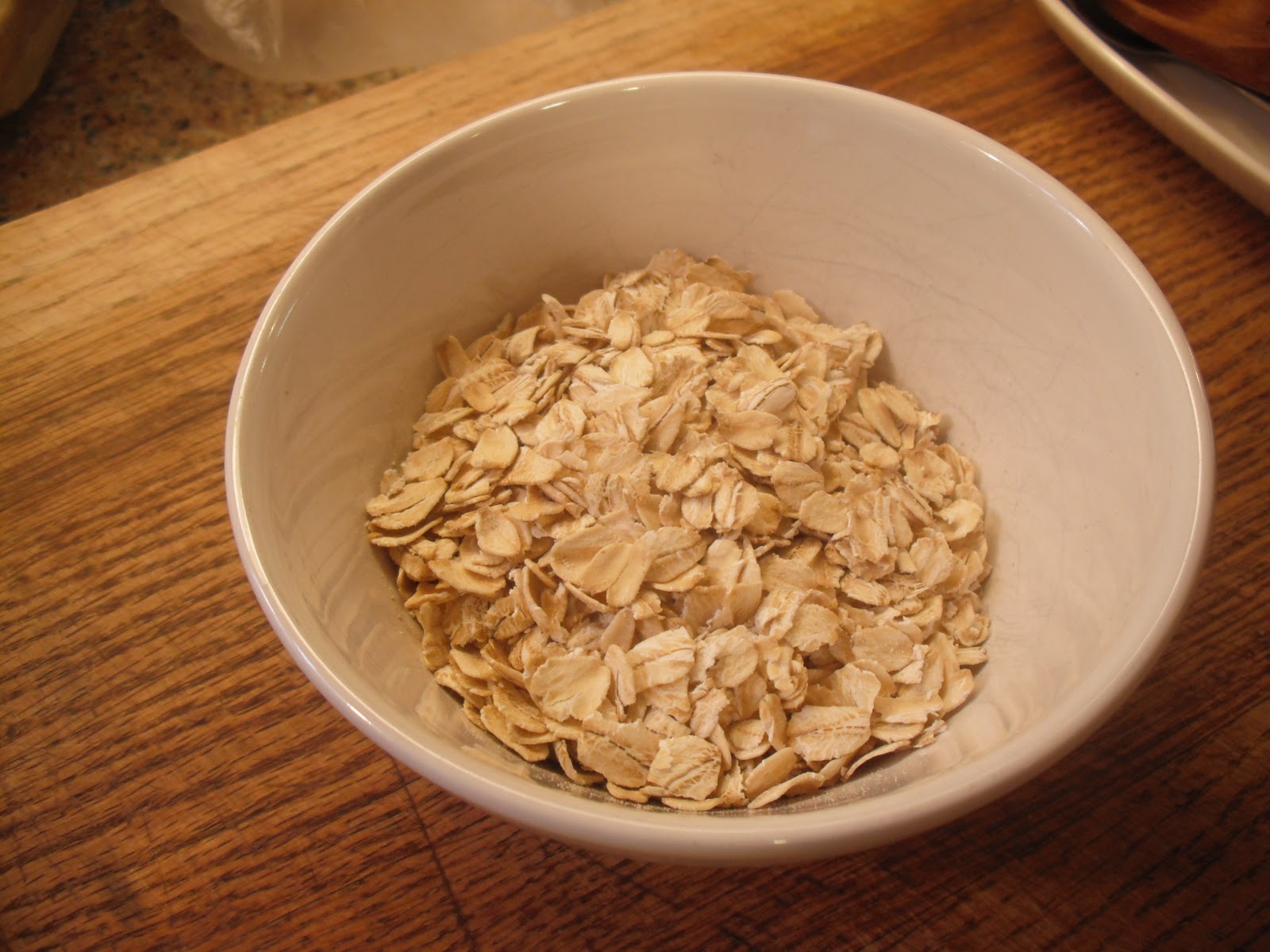
Rolled oats, to thicken the stock and add body to it.

This is the kind of soup that is ten times better the next day than the day it is made.

Just before you serve the soup, drizzle a bit of good olive oil on each bowl as you serve it to your guests.  Or toast some good Italian bread, rub it with raw garlic, and put that crostino in the bottom of the bowl, and ladle soup on top.  Pass grated cheese at the table.

Thanksgiving: the pie

I tried a new recipe -- sweet potato pie.  Can't say I've ever made one.  I've made more apple, peach, bloob, pumpkin pies than I can count, but sweet potato?  Nope. 

Dug up a nice recipe from our friends at America's Test Kitchen (hosts of the TV show of the same name on public television, and Cooks' Illustrated magazine, one of the dullest cooking magazines I've ever come across.  But that's another blog entry altogether.)

Great idea for it -- blind-bake the crust, add the sweet potato custard, then bake.  A beautiful pie results, and the bottom crust is crisp. 

Taste -- very good, though I think I'll go easier on the nutmeg next time.  Peggy didn't like the bourbon flavor in it.  I thought it added a nice dimension, but if it went missing, the result would be equally good.

One of my favorite places for sweet potato pie is the Basic 4 Vegetarian Snack Bar at Reading Terminal Market.  Kick-ass sweet potato pie. 


I'm planning on doing another one for my ThanksFriday dinner with the gang, along with a big apple pandowdy. 

Saturday, November 12, 2011

Thanksgiving: the stock

Few things are as important to a good Thanksgiving dinner than a pot of hot, rich stock simmering on the back burner.

You need stock to make your stuffing (see my last post), to baste your turkey, to make lots and lots of gravy to drown your mashed potatoes, turkey, and stuffing in, and as the base for your post-Turkey Day turkey soup. 

Stock can be made well ahead of time and frozen until you need it.  It takes a few minutes of preparation, and several hours of hands-off simmering.

Start with meat.  For my Thanksgiving supper, I will usually buy turkey parts --  a few pounds of wings, necks, giblets -- roast them until browned, then dump them into the stockpot.  You can make chicken stock if you must for your turkey, but there's no lack of turkey parts in the markets these days.  Bony pieces are the best; you wouldn't simmer turkey or chicken breast meat to make stock. 

Roasted meat, with veggies, ready for the boil. 

Cover the parts generously with cold water.  I will typically make about four quarts of stock at at time.  To the stockpot add an onion or two sliced in half (no need to peel it); a carrot or two; a stalk of celery or two; four to six garlic cloves, smashed; a handful of parsley, stems and all; a dozen or so peppercorns; a bay leaf; and a few sprigs of fresh thyme, or a teaspoon of dried if that's all you have. 

I use a pasta pot for stock -- a large, covered, 12-qt pot with a perforated insert. 

Bring the whole lot to a vigorous boil, then lower to barely a simmer.  Cover partly, and let the stock simmer for 2 1/2 to 3 hours.  Turn it off, cover completely, and let it cool down a bit.

 The finished stock.

When it's cool enough to handle, lift out the perforated insert, you're left with about 12 cups of the most awesome stock.  (By the way, I do all this manipulation in my sink.  It's easier to handle large pots of hot liquid at the lower level, and any drips, spills, or splatters won't matter.)

Cool to room temperature, then refrigerate or freeze.  

 Removing the meat and veggies from the pot. 
Keep the bits of meat, dump the rest. 

Do not salt the stock.  It will be very bland now, but you want to have completely unsalted stock so that you can control the salt in whatever recipe you eventually use it in -- stuffing, gravy, soup. 


Depending on what meat you used, you can pick off bits of meat from the boiled bones, and save them for soup later.  You'll see here that these photos were taken when I made a pot of beef stock -- not turkey -- but the process is identical.  That boiled shinbone meat will be excellent in a pot of beef mushroom barley soup.  If you used turkey giblets to make your Thanksgiving stock, save those, and chop them finely to add to your gravy. 

Saturday, November 5, 2011

Thanksgiving: the stuffing

Making stuffing (or dressing, if you insist) for your Thanksgiving dinner is dead easy.  It's a few staples from your fridge, some herbs (dried or fresh), stale bread, and stock.  Dead easy.

For 6 cups of stuffing:

5 cups bread (stale, not so fresh, toasted, whatever you have), cut up into cubes
2 ribs of celery, chopped
1 medium onion, chopped
4 Tbs butter
2 cups stock (chicken is fine, turkey is better)
sage, about 2 Tbs fresh leaves, chopped
thyme, about 2 tsp, dried or fresh
salt and pepper, to taste

Saute the celery and onion in butter until softened.  Set aside.

Onions and celery sauteing in butter. 
An iconic aroma of a Thanksgiving morning.

Put your bread cubes in another bowl.  Warm up the stock slightly -- it doesn't have to be boiling, but it shouldn't be ice cold either.  Pour about a cup of the stock over the bread cubes and mix gently.  Here's where a bit of judgment is necessary: you want to cubes to be dampened, but not sodden with moisture.  If the bread has been toasted or is very stale, add a bit more stock, mix, then cover the bowl and let it sit for 10 minutes to allow the bread to soak in the stock.

The kind of bread you use will determine what your stuffing becomes.  I used a sourdough bread here (frankly, it was the crusts cut off of a loaf which was used for another recipe).  Good white bread is fine.  A French baguette or an Italian loaf is nice, too.  Sure, add some crumbled up cornbread here, if you have it.  That's nice, too.


Bread, moistened with stock, sitting to soften.

Add your softened veggies to the bread cubes, add in your herbs (fresh is best, dried is OK), salt and pepper to taste.  Add more stock if you think the mixture is too dry.  Taste for seasoning. 


 Mixed gently, and tasted for seasoning. 

Again, here's a point of judgment: I happen to like my stuffing very peppery and sagey, so I go heavy on both.  What you prefer is wholly up to your tastes and those of your guests.

 About two tablespoons of chopped fresh sage, from the herb garden. 

You have the basics here for good stuffing to accompany a roasted turkey.  At this point, you can be as creative about your stuffing as you like. Add some cooked rice if you like.  Browned sage sausage.  Apples, finely diced and sauteed in a bit of butter to soften.  Raisins.  Craisins.  Nuts.  Chestnuts.  Mushrooms, sliced or chopped, browned in butter, and finished with a bit of sherry or brandy. 

Arrange the stuffing in a casserole, and bake at 350°F for about 40 minutes until a bit browned and a bit bubbly around the edges. 

Arranged in the casserole and waiting to be popped into the oven. 

Friday, October 7, 2011

Doesn't get any better

Sweet potato corn chowder, and a grilled bacon-tomato-cheese sammich.


Even tastier when you make it for someone you love.

Chowder recipe to follow...

Tuesday, October 4, 2011

Pesto days

Fall has arrived and it's time to gather up the remaining herbs in the garden. 

I harvested an armful of basil Sunday, and made pesto to freeze.  Pesto is the best way to store basil.  Basil does not dry well (it dries, but virtually no flavor remains), but whizzed up with olive oil, and frozen, it retains its flavor and color. 

Like many recipes, go with your instincts.  Pull leaves from the plants.  Wash and spin dry.  Load them into the food processor and whiz until you have nearly a paste of basil.  Drizzle olive oil (or any oil, really), until you form a loose paste.  You're done.  You can add ground nuts (pignoli, almonds, walnuts), and grated cheese (parmigiano, pecorino) if you like -- depends how you plan to use it.  If you're looking to keep the basil to add to a simmering sauce during the cold winter, then basil + oil is all you need.  If you want to use it as pasta sauce on its own, then add the nuts and cheese.  A pinch of salt is good, too.

Once whizzed up, the pesto can be scooped into mini-muffin tins and frozen.  Once frozen, they can be popped out and stored in a Ziploc bag in the freezer. 

 A big bowlful of basil leaves, picked over, washed, and spun dry.

 All those leaves make this much pesto. 
Doesn't seem like a lot, but a little bit goes a long way.

 My silicone mini-muffin 'tin.'  Perfect for this.

Pesto filling the muffin tin, and sitting in the freezer.

Once frozen, the knobs of pesto pop right out.

Sunday, September 18, 2011

Sunday brunch

A beautiful Sunday brunch, with a gathering of close friends.  Lots of good food, good conversation, and laughs. 

Spumante mimosas
Creamed dried beef over toast
Zucchini frittata
Sliced yellow tomatoes with mozzarella, dressed with garlic oil and pesto
Oven-roasted Italian sausage
Steak fries
Golden raisin muffins
Nectarine pandowdy
Homemade jams -- strawberry, fig, apricot
Coffee, tea

Couldn't have asked for a nicer afternoon.