


Baked at 350°F for about an hour:


Lasagne, pork cutlet piccata, green salad. Floral stylings by Peg.

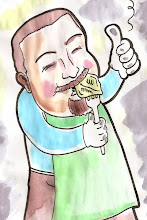 Dave loves to eat, and cook, and feed his family and friends. Thankfully Dave's family and friends like to eat what he cooks.
Dave has achieved the Great American Dream -- suburban banality. He cooks from his modestly appointed kitchen in the leafy suburbs of Delaware County, Pennsylvania, a stone's throw from Philadelphia.
Stop by for dinner. Or lunch. Or breakfast.
Dave loves to eat, and cook, and feed his family and friends. Thankfully Dave's family and friends like to eat what he cooks.
Dave has achieved the Great American Dream -- suburban banality. He cooks from his modestly appointed kitchen in the leafy suburbs of Delaware County, Pennsylvania, a stone's throw from Philadelphia.
Stop by for dinner. Or lunch. Or breakfast.
 Dave loves to eat, and cook, and feed his family and friends. Thankfully Dave's family and friends like to eat what he cooks.
Dave has achieved the Great American Dream -- suburban banality. He cooks from his modestly appointed kitchen in the leafy suburbs of Delaware County, Pennsylvania, a stone's throw from Philadelphia.
Stop by for dinner. Or lunch. Or breakfast.
Dave loves to eat, and cook, and feed his family and friends. Thankfully Dave's family and friends like to eat what he cooks.
Dave has achieved the Great American Dream -- suburban banality. He cooks from his modestly appointed kitchen in the leafy suburbs of Delaware County, Pennsylvania, a stone's throw from Philadelphia.
Stop by for dinner. Or lunch. Or breakfast.
 Dave loves to eat, and cook, and feed his family and friends. Thankfully Dave's family and friends like to eat what he cooks.
Dave has achieved the Great American Dream -- suburban banality. He cooks from his modestly appointed kitchen in the leafy suburbs of Delaware County, Pennsylvania, a stone's throw from Philadelphia.
Stop by for dinner. Or lunch. Or breakfast.
Dave loves to eat, and cook, and feed his family and friends. Thankfully Dave's family and friends like to eat what he cooks.
Dave has achieved the Great American Dream -- suburban banality. He cooks from his modestly appointed kitchen in the leafy suburbs of Delaware County, Pennsylvania, a stone's throw from Philadelphia.
Stop by for dinner. Or lunch. Or breakfast.


 Dave loves to eat, and cook, and feed his family and friends. Thankfully Dave's family and friends like to eat what he cooks.
Dave has achieved the Great American Dream -- suburban banality. He cooks from his modestly appointed kitchen in the leafy suburbs of Delaware County, Pennsylvania, a stone's throw from Philadelphia.
Stop by for dinner. Or lunch. Or breakfast.
Dave loves to eat, and cook, and feed his family and friends. Thankfully Dave's family and friends like to eat what he cooks.
Dave has achieved the Great American Dream -- suburban banality. He cooks from his modestly appointed kitchen in the leafy suburbs of Delaware County, Pennsylvania, a stone's throw from Philadelphia.
Stop by for dinner. Or lunch. Or breakfast.
 Dave loves to eat, and cook, and feed his family and friends. Thankfully Dave's family and friends like to eat what he cooks.
Dave has achieved the Great American Dream -- suburban banality. He cooks from his modestly appointed kitchen in the leafy suburbs of Delaware County, Pennsylvania, a stone's throw from Philadelphia.
Stop by for dinner. Or lunch. Or breakfast.
Dave loves to eat, and cook, and feed his family and friends. Thankfully Dave's family and friends like to eat what he cooks.
Dave has achieved the Great American Dream -- suburban banality. He cooks from his modestly appointed kitchen in the leafy suburbs of Delaware County, Pennsylvania, a stone's throw from Philadelphia.
Stop by for dinner. Or lunch. Or breakfast.
Dave loves to eat, and cook, and feed his family and friends. Thankfully Dave's family and friends like to eat what he cooks.
Dave has achieved the Great American Dream -- suburban banality. He cooks from his modestly appointed kitchen in the leafy suburbs of Delaware County, Pennsylvania, a stone's throw from Philadelphia.
Stop by for dinner. Or lunch. Or breakfast.
Dave loves to eat, and cook, and feed his family and friends. Thankfully Dave's family and friends like to eat what he cooks.
Dave has achieved the Great American Dream -- suburban banality. He cooks from his modestly appointed kitchen in the leafy suburbs of Delaware County, Pennsylvania, a stone's throw from Philadelphia.
Stop by for dinner. Or lunch. Or breakfast.
Dave loves to eat, and cook, and feed his family and friends. Thankfully Dave's family and friends like to eat what he cooks.
Dave has achieved the Great American Dream -- suburban banality. He cooks from his modestly appointed kitchen in the leafy suburbs of Delaware County, Pennsylvania, a stone's throw from Philadelphia.
Stop by for dinner. Or lunch. Or breakfast.
Dave loves to eat, and cook, and feed his family and friends. Thankfully Dave's family and friends like to eat what he cooks.
Dave has achieved the Great American Dream -- suburban banality. He cooks from his modestly appointed kitchen in the leafy suburbs of Delaware County, Pennsylvania, a stone's throw from Philadelphia.
Stop by for dinner. Or lunch. Or breakfast.


 Dave loves to eat, and cook, and feed his family and friends. Thankfully Dave's family and friends like to eat what he cooks.
Dave has achieved the Great American Dream -- suburban banality. He cooks from his modestly appointed kitchen in the leafy suburbs of Delaware County, Pennsylvania, a stone's throw from Philadelphia.
Stop by for dinner. Or lunch. Or breakfast.
Dave loves to eat, and cook, and feed his family and friends. Thankfully Dave's family and friends like to eat what he cooks.
Dave has achieved the Great American Dream -- suburban banality. He cooks from his modestly appointed kitchen in the leafy suburbs of Delaware County, Pennsylvania, a stone's throw from Philadelphia.
Stop by for dinner. Or lunch. Or breakfast.


 Dave loves to eat, and cook, and feed his family and friends. Thankfully Dave's family and friends like to eat what he cooks.
Dave has achieved the Great American Dream -- suburban banality. He cooks from his modestly appointed kitchen in the leafy suburbs of Delaware County, Pennsylvania, a stone's throw from Philadelphia.
Stop by for dinner. Or lunch. Or breakfast.
Dave loves to eat, and cook, and feed his family and friends. Thankfully Dave's family and friends like to eat what he cooks.
Dave has achieved the Great American Dream -- suburban banality. He cooks from his modestly appointed kitchen in the leafy suburbs of Delaware County, Pennsylvania, a stone's throw from Philadelphia.
Stop by for dinner. Or lunch. Or breakfast.
Dave loves to eat, and cook, and feed his family and friends. Thankfully Dave's family and friends like to eat what he cooks.
Dave has achieved the Great American Dream -- suburban banality. He cooks from his modestly appointed kitchen in the leafy suburbs of Delaware County, Pennsylvania, a stone's throw from Philadelphia.
Stop by for dinner. Or lunch. Or breakfast.
Dave loves to eat, and cook, and feed his family and friends. Thankfully Dave's family and friends like to eat what he cooks.
Dave has achieved the Great American Dream -- suburban banality. He cooks from his modestly appointed kitchen in the leafy suburbs of Delaware County, Pennsylvania, a stone's throw from Philadelphia.
Stop by for dinner. Or lunch. Or breakfast.
 Dave loves to eat, and cook, and feed his family and friends. Thankfully Dave's family and friends like to eat what he cooks.
Dave has achieved the Great American Dream -- suburban banality. He cooks from his modestly appointed kitchen in the leafy suburbs of Delaware County, Pennsylvania, a stone's throw from Philadelphia.
Stop by for dinner. Or lunch. Or breakfast.
Dave loves to eat, and cook, and feed his family and friends. Thankfully Dave's family and friends like to eat what he cooks.
Dave has achieved the Great American Dream -- suburban banality. He cooks from his modestly appointed kitchen in the leafy suburbs of Delaware County, Pennsylvania, a stone's throw from Philadelphia.
Stop by for dinner. Or lunch. Or breakfast.


 Dave loves to eat, and cook, and feed his family and friends. Thankfully Dave's family and friends like to eat what he cooks.
Dave has achieved the Great American Dream -- suburban banality. He cooks from his modestly appointed kitchen in the leafy suburbs of Delaware County, Pennsylvania, a stone's throw from Philadelphia.
Stop by for dinner. Or lunch. Or breakfast.
Dave loves to eat, and cook, and feed his family and friends. Thankfully Dave's family and friends like to eat what he cooks.
Dave has achieved the Great American Dream -- suburban banality. He cooks from his modestly appointed kitchen in the leafy suburbs of Delaware County, Pennsylvania, a stone's throw from Philadelphia.
Stop by for dinner. Or lunch. Or breakfast.


 Dave loves to eat, and cook, and feed his family and friends. Thankfully Dave's family and friends like to eat what he cooks.
Dave has achieved the Great American Dream -- suburban banality. He cooks from his modestly appointed kitchen in the leafy suburbs of Delaware County, Pennsylvania, a stone's throw from Philadelphia.
Stop by for dinner. Or lunch. Or breakfast.
Dave loves to eat, and cook, and feed his family and friends. Thankfully Dave's family and friends like to eat what he cooks.
Dave has achieved the Great American Dream -- suburban banality. He cooks from his modestly appointed kitchen in the leafy suburbs of Delaware County, Pennsylvania, a stone's throw from Philadelphia.
Stop by for dinner. Or lunch. Or breakfast.
 Dave loves to eat, and cook, and feed his family and friends. Thankfully Dave's family and friends like to eat what he cooks.
Dave has achieved the Great American Dream -- suburban banality. He cooks from his modestly appointed kitchen in the leafy suburbs of Delaware County, Pennsylvania, a stone's throw from Philadelphia.
Stop by for dinner. Or lunch. Or breakfast.
Dave loves to eat, and cook, and feed his family and friends. Thankfully Dave's family and friends like to eat what he cooks.
Dave has achieved the Great American Dream -- suburban banality. He cooks from his modestly appointed kitchen in the leafy suburbs of Delaware County, Pennsylvania, a stone's throw from Philadelphia.
Stop by for dinner. Or lunch. Or breakfast.


 Dave loves to eat, and cook, and feed his family and friends. Thankfully Dave's family and friends like to eat what he cooks.
Dave has achieved the Great American Dream -- suburban banality. He cooks from his modestly appointed kitchen in the leafy suburbs of Delaware County, Pennsylvania, a stone's throw from Philadelphia.
Stop by for dinner. Or lunch. Or breakfast.
Dave loves to eat, and cook, and feed his family and friends. Thankfully Dave's family and friends like to eat what he cooks.
Dave has achieved the Great American Dream -- suburban banality. He cooks from his modestly appointed kitchen in the leafy suburbs of Delaware County, Pennsylvania, a stone's throw from Philadelphia.
Stop by for dinner. Or lunch. Or breakfast.

 Dave loves to eat, and cook, and feed his family and friends. Thankfully Dave's family and friends like to eat what he cooks.
Dave has achieved the Great American Dream -- suburban banality. He cooks from his modestly appointed kitchen in the leafy suburbs of Delaware County, Pennsylvania, a stone's throw from Philadelphia.
Stop by for dinner. Or lunch. Or breakfast.
Dave loves to eat, and cook, and feed his family and friends. Thankfully Dave's family and friends like to eat what he cooks.
Dave has achieved the Great American Dream -- suburban banality. He cooks from his modestly appointed kitchen in the leafy suburbs of Delaware County, Pennsylvania, a stone's throw from Philadelphia.
Stop by for dinner. Or lunch. Or breakfast.
 Dave loves to eat, and cook, and feed his family and friends. Thankfully Dave's family and friends like to eat what he cooks.
Dave has achieved the Great American Dream -- suburban banality. He cooks from his modestly appointed kitchen in the leafy suburbs of Delaware County, Pennsylvania, a stone's throw from Philadelphia.
Stop by for dinner. Or lunch. Or breakfast.
Dave loves to eat, and cook, and feed his family and friends. Thankfully Dave's family and friends like to eat what he cooks.
Dave has achieved the Great American Dream -- suburban banality. He cooks from his modestly appointed kitchen in the leafy suburbs of Delaware County, Pennsylvania, a stone's throw from Philadelphia.
Stop by for dinner. Or lunch. Or breakfast.

 Dave loves to eat, and cook, and feed his family and friends. Thankfully Dave's family and friends like to eat what he cooks.
Dave has achieved the Great American Dream -- suburban banality. He cooks from his modestly appointed kitchen in the leafy suburbs of Delaware County, Pennsylvania, a stone's throw from Philadelphia.
Stop by for dinner. Or lunch. Or breakfast.
Dave loves to eat, and cook, and feed his family and friends. Thankfully Dave's family and friends like to eat what he cooks.
Dave has achieved the Great American Dream -- suburban banality. He cooks from his modestly appointed kitchen in the leafy suburbs of Delaware County, Pennsylvania, a stone's throw from Philadelphia.
Stop by for dinner. Or lunch. Or breakfast.
Dave loves to eat, and cook, and feed his family and friends. Thankfully Dave's family and friends like to eat what he cooks.
Dave has achieved the Great American Dream -- suburban banality. He cooks from his modestly appointed kitchen in the leafy suburbs of Delaware County, Pennsylvania, a stone's throw from Philadelphia.
Stop by for dinner. Or lunch. Or breakfast.
Dave loves to eat, and cook, and feed his family and friends. Thankfully Dave's family and friends like to eat what he cooks.
Dave has achieved the Great American Dream -- suburban banality. He cooks from his modestly appointed kitchen in the leafy suburbs of Delaware County, Pennsylvania, a stone's throw from Philadelphia.
Stop by for dinner. Or lunch. Or breakfast.


 and
and 


